
Autism in Girls
SEED Early Childhood Educational Blog
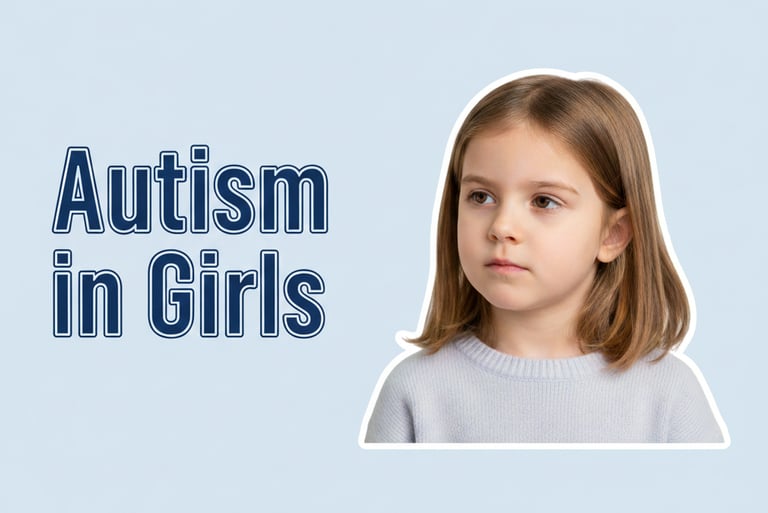
A Comprehensive Autism Spectrum Disorder Q&A covering autism in girls a look at the barriers girls face and the difficulties of diagnosis.
Keywords: Autism in Girls Women Autistic Masking
Author SEED Early Childhood
4 February 2026


Autism, also known as Autism Spectrum Disorder (ASD), is a neurodevelopmental condition characterised by challenges in social communication and interaction, as well as restricted and repetitive behaviours and interests. Autism is described as spectrum disorder, meaning it affects individuals differently and to different degrees. Symptoms can range from mild to severe, and each person with autism has a unique set of strengths and challenges.
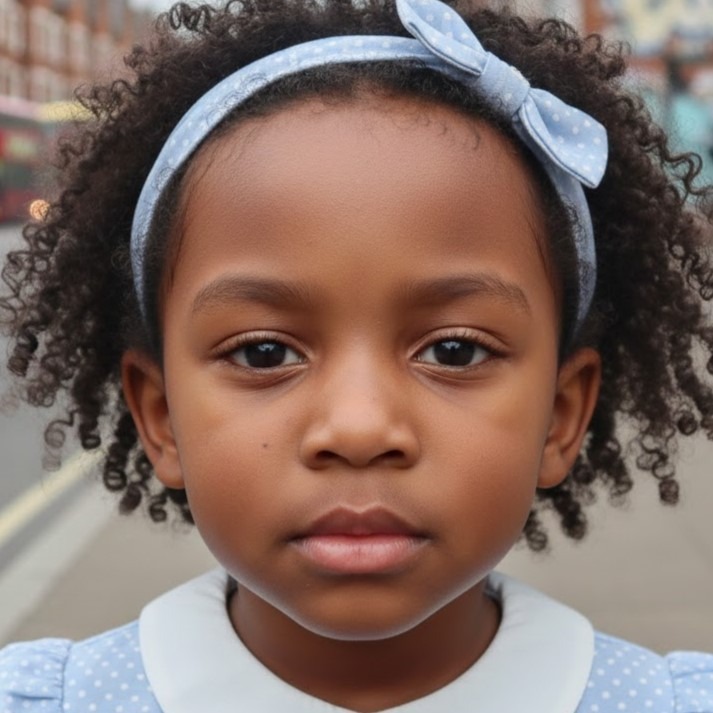
Image credit: AI A girl with autism spectrum disorder.
What is Autism?
Autism is a complex, lifelong neurodevelopmental disorder that affects a person’s social skills and communication. The number of males diagnosed with autism compared to the number of females demonstrates that females are underrepresented. This has sparked an increased interest in autism in females and the sex differences between male and female autistic traits. Early identification and diagnosis can provide access to support and interventions, improving the quality of life and well-being. [2][3][8][11]
This is why it is important that girls have the same opportunities as boys to be diagnosed.
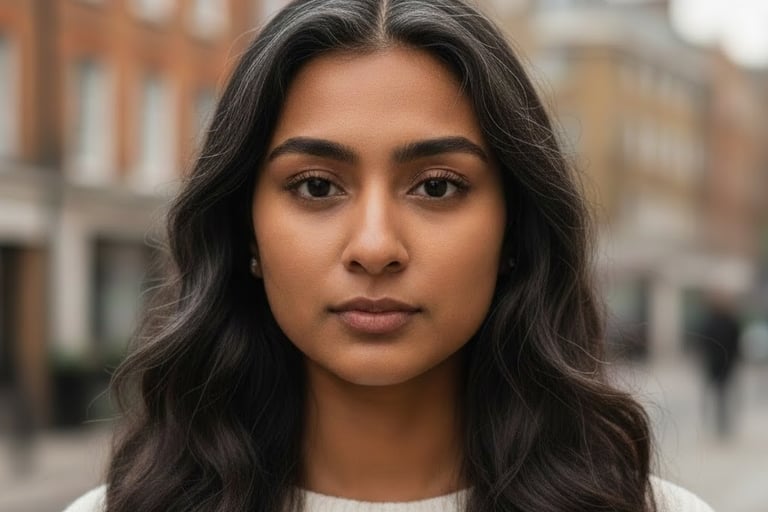
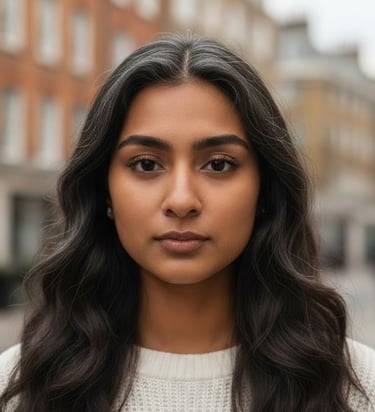
Image credit: AI. Woman with autism spectrum disorder.
ASD in Women
Autism has historically been recognised, diagnosed and researched in males. In contrast, females tend to be unidentified, especially girls with average intelligence. This difference in male diagnosis versus female could be because of the diagnostic tools and criteria, which reflect typically male behaviours. Today, boys are more likely to be diagnosed with autism than girls.

Why is autism harder to diagnose in girls?
Research highlighting significant sex differences between males and females in autism is growing, but there is still a lack of awareness about the common signs and symptoms of females with autism, which has caused a continuing under-identification of girls with autism.
Identification is an important step on the road to diagnosis, and the educators and other professionals a girl will come in contact with will have to make observations and contribute to the process. Even though educators and professionals have such an important responsibility, they generally do not have the knowledge base and are not equipped to identify autism in girls. This contributes to girls with autism having delayed diagnosis or going undiagnosed completely.
Another factor reported in studies is the difference between clinician and parent-reported observations. Females may come across as more motivated and able to camouflage during clinical assessment, whereas the parent would be aware of difficulties in the home. Evidence suggests that for females to be diagnosed, they must present increased difficulties, but due to the current diagnosis methods, females who camouflage will be unlikely to be recognised.
Some researchers feel it is of high importance that the internal presentation of autism seen in girls has widespread recognition and is better understood as an alternative autistic profile. This new profile would be in addition to the traditional boy’s autistic profile, which has its foundation in research with males. Otherwise, females with autism risk marginalisation and loss in education, mental health, social life and later even professional arenas and greater vulnerabilities. [3][5][6]
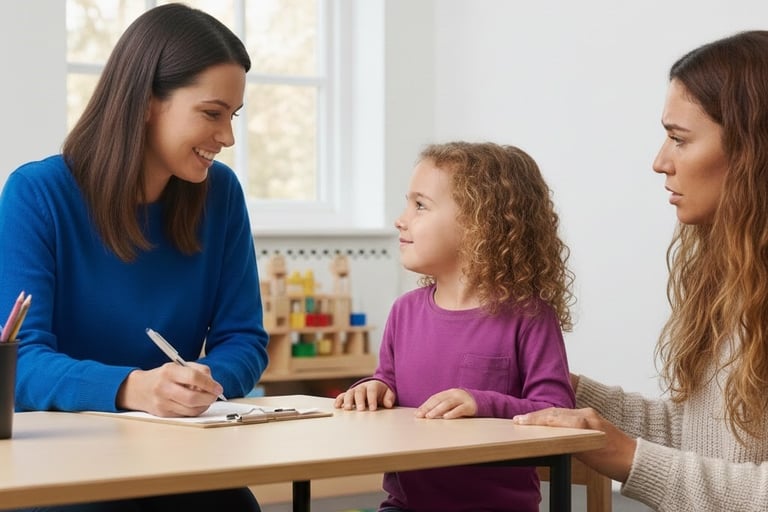
Image credit: Girl with autism masks during an assessment.
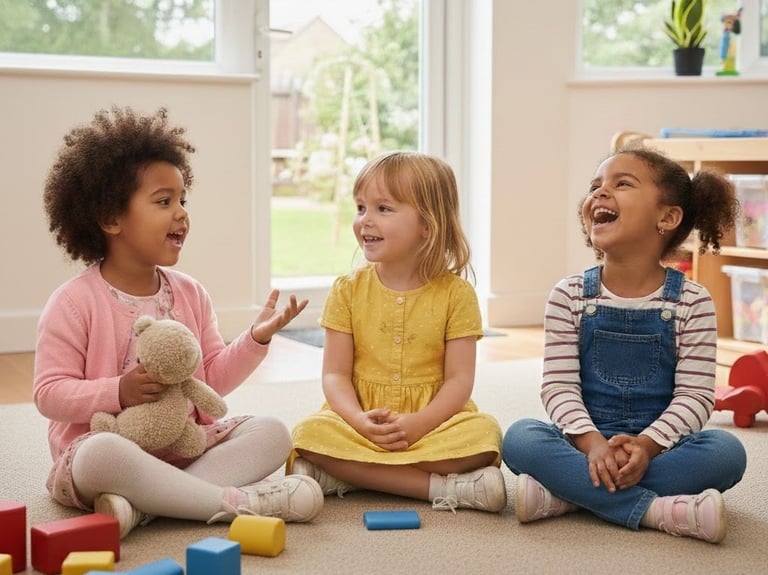
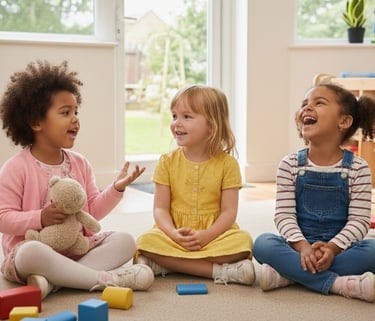
Image Credit: AI. Three girls converse one has autism.
What are the differences noticed in boys vs girls?
The autistic spectrum is so varied; however, currently there is a difficulty in recognising that there are differences when it comes to the symptoms of males and females.
Researchers found that sex differences in social behaviour were evident throughout the sample of children observed. Neurotypical boys tended to play differently from neurotypical girls; the boys opted for organised games, while boys with autism tended to play alone. However, the neurotypical girls opted for social engagement and conversation, which was what the girls with autism also did. To an inexperienced person observing these girls their social challenges would go unrecognised as they would be hidden from them, but surprisingly, the struggles were not hidden from their peers. The girls with autism could not sustain mutual engagement in socially interconnected activities and could not adjust their behaviour to fit the group's norms. Therefore, a girl's ability to camouflage makes her vulnerable and less likely to access support. [5][6][7]
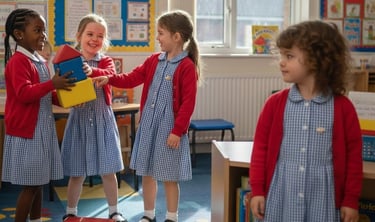
What role does masking play in a school environment?
Parents found that their daughters could hide their autistic behaviours and adjust their behaviour to fit in. Many girls who are studied in research are very articulate but use behaviours and tones imitated from their peers. Some girls wanted acceptance and to feel part of a social circle. For example, a girl from the study [4] did not widely share her autistic diagnosis with peers and had a different relationship with those who knew.
Masking at mainstream school can be used as a coping mechanism, but it can contribute to developmental hindrances and lead to falling behind. Masking interferes with an understanding of self, which can cause girls with autism to struggle to recognise their own needs and emotions because they have suppressed them for extended periods of time. [4][5][14]


Why do some autistic girls get diagnosed later in life?
A study [4] found many of the girls were not diagnosed until junior school, or even secondary school. In the study Lily’s mother reported that when Lily was in Year 7 she started displaying evidence of stress and anxiety. Other mothers reported their daughters ability to appear to cope with school. One reported that the primary school did not identify her daughters needs as she masked them well.

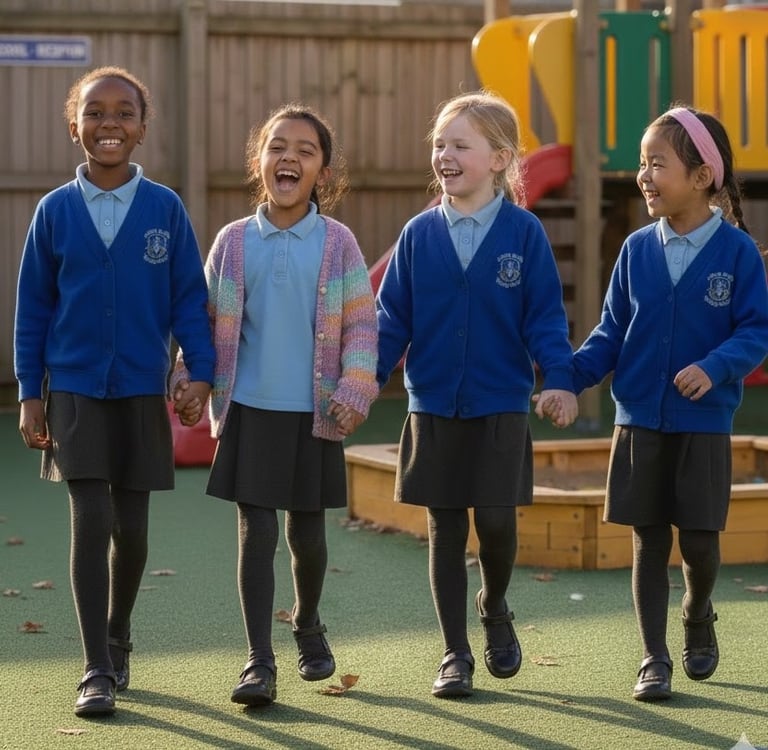
How does social motivation affect diagnostic recognition in girls?
Research [5] shows females with autism show higher levels of social motivation by mimicking neurotypical behaviours. Studies show that females can appear more motivated and willing to participate in social interaction as they use different behavioural strategies to adapt. Although in some research social motivation seemed to be genuine and showed to be more in girls than boys, which made the girls social challenges less noticeable and likely to be missed. [13] [14]
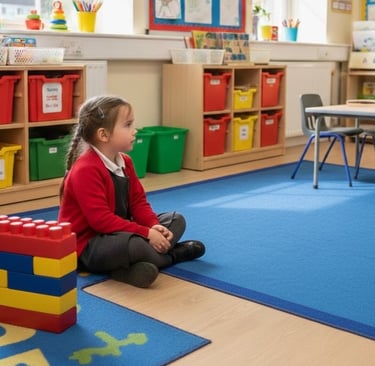
What struggles do girls with autism face at school?
In the research, girls with autism had complications and conflict in relationships with peers and professionals in the school environment. Research found key problems faced by girls with autism:
Communication
Friendship groups
Social isolation
Bullying
Absenteeism
The problems girls with autism face can get worse because of the demands and expectations they face. [3][4]
How are peer relationship dynamics different for autistic girls and boys?
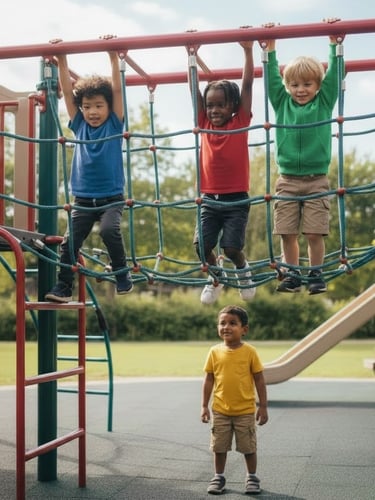
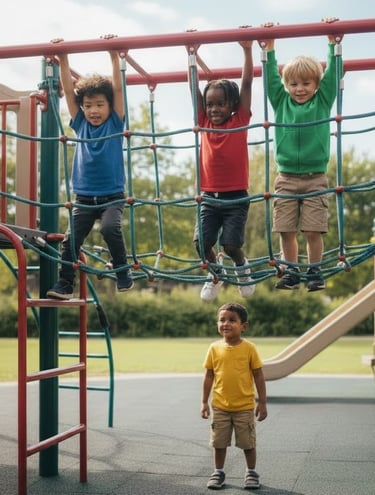
Girls with autism face a lot of challenges as they struggle with social processing and recognising the needs of peers. Research showed a that girls had a desire for friendship although the outcomes of that in practice had mixed results. There appeared to be a difference in the girls with autism’s expectations of friendship when compared to neurotypical girls. It was also found the girls with autism seemed to be drawn (without knowing) to other girls with autism. One expert found that socially males valued physical ability which was a barrier to males with autism as they struggled with motor skills. [4][9]
Can girls have high-functioning autism?
Girls can have high functioning autism. It is also possible to have mild autism and not know especially if symptoms are masked. Some high functioning autistic girls symptoms may be mistaken for quirks or shyness and can result in girls not receiving a diagnosis.
High functioning girls may have:
Good language skills
Average or above-average intelligence
But this does not mean they will not face difficulties with social skills, sensory sensitives and relationships. [8] [11]
Image Credit: AI. Little girl with autism spectrum disorder rehearses.
Image Credit: AI. Little girl with autism spectrum disorder desiring social engagement.
Image Credit: AI. An older girl with autism spectrum disorder feels anxiety in secondary school.
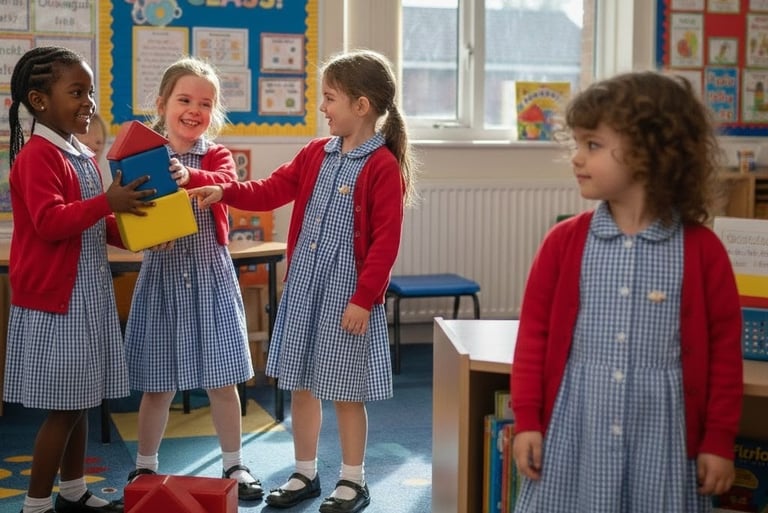
Image Credit: AI. Group of school girls socialise.
Image Credit: AI. A little girl with autism spectrum disorder sat alone on the carpet in reception class.
Image credit: AI. Boys demonstrate motor skills.
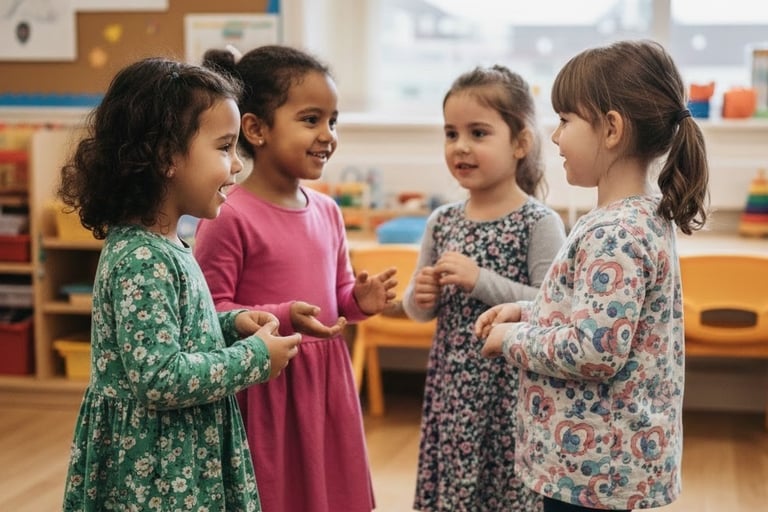
Image credit: AI. A girl with autism socialises with other female pre-schoolers.
References
1 Waite, M., Fouladi, R.T. & Iarocci, G. (2025) Autistic Girls but Not Boys Show a Strong Association Between Internalizing Symptoms and Social Motivation https://link.springer.com/article/10.1007/s10803-024-06707-6
2 Duvekot, J., van der Ende, J., Verhulst, F. C., Slappendel, G., van Daalen, E., Maras, A., and Greaves-Lord, K. (2017) Factors influencing the probability of a diagnosis of autism spectrum disorder in girls versus boys https://journals.sagepub.com/doi/full/10.1177/1362361316672178
3 Urbaniak, K., & D’Amico, M. (2024) Disability barriers autistic girls face in secondary education: A systematic review https://journals.sagepub.com/doi/10.1177/13623613241294189
4 Cook, A., Ogden, J., & Winstone, N. (2018) Full article: Friendship motivations, challenges and the role of masking for girls with autism in contrasting school settings https://www.tandfonline.com/doi/full/10.1080/08856257.2017.1312797
5 Cruz, S., Zubizarreta, S.CP., Costa, A.D. et al. (2025) Is There a Bias Towards Males in the Diagnosis of Autism? A Systematic Review and Meta-Analysis | Neuropsychology Review https://link.springer.com/article/10.1007/s11065-023-09630-2
6 Gould, (2017)Towards understanding the under-recognition of girls and women on the autism spectrumhttps://journals.sagepub.com/doi/abs/10.1177/1362361317706174
7. Ellis S, Hyland D. (2025) Investigating the Gender Differences in Children and Adolescents with Autism Spectrum Disorder: A Literature Review. 11(S1):S40–S40. doi:10.1192/bjo.2025.10138
8. Frontiers (2021) Sex Differences in Autism Spectrum Disorder: Focus on High Functioning Children and Adolescents https://www.frontiersin.org/journals/psychiatry/articles/10.3389/fpsyt.2021.539835/full
9. Karl Lundin, Soheil Mahdi, Johan Isaksson, Sven Bölte, (2021) Functional gender differences in autism: An international, multidisciplinary expert survey using the International Classification of Functioning, Disability, and Health model - https://journals.sagepub.com/doi/10.1177/1362361320975311
10. Munroe, A., & Dunleavy, M. (2023). Recognising autism in girls within the education context: reflecting on the internal presentation and the diagnostic criteria. Irish Educational Studies, 42(4), 561–581. https://doi.org/10.1080/03323315.2023.2260371
11. OXFORD CBT (2024) Female autism checklist https://www.oxfordcbt.co.uk/female-autism-checklist/
12. The Autism & ADHD Advocates Autism in Girls | Early Signs and Effective Support — The Autism & ADHD Advocates CIC https://www.autismadhdadvocates.org/blogs/autism-in-girls-distinct-signs
13. The Autism & ADHD Advocates Autism in Girls | Early Signs and Effective Support — The Autism & ADHD Advocates CIC https://www.autismadhdadvocates.org/blogs/autism-in-girls-distinct-signs
14. The Autism & ADHD Advocates Autism in Girls: Signs of Autism Spectrum Disorder (ASD) in Females https://www.additudemag.com/autism-in-girls/
What is camouflaging or masking in girls?
The topic of camouflaging or masking is common in research about autistic girls, although it is not only girls who camouflage or mask; boys can do this, too. Camouflaging or masking describes the behaviour of hiding autistic traits to blend with neurotypical people. This behaviour can be conscious or unconscious as it is a coping strategy for social situations. Mimicking is also part of camouflaging or masking behaviour, where scripts and conversations are rehearsed. Camouflaging or masking may also involve suppression of stimming and forced eye contact. These behaviours can cause exhaustion and have negative effects on mental health and a child’s identity.
Masking typical traits:
Forced eye contact
Rehearsing conversations
Imitation
Deliberate suppression of stimming behaviour
Discomfort with authenticity
Adjusted behaviour to match social expectations
Hiding special interests
While camouflaging or masking can help individuals navigate social environments more smoothly, it often comes at a significant cost, such as:
Anxiety
Stress
Depression
Identity confusion
Burnout
Physical issues
Recognising and addressing camouflaging or masking is crucial for the mental well-being of individuals with autism. [11][3][6][11][12]
Author: SEED Early Childhood
SEED Early Childhood is an independent educational blog created with this mission: to provide free, professional insights into child development and education for parents.
Edited by: Wendy Forbes
SEED Early Childhood is the Educational blog founded by Samantha Donnelly to bring professionals to you.
Share this post
Support SEED Early Childhood
SEED Early Childhood Educational Blog
© 2026 SEED Early Childhood. All rights reserved. SEED Early Childhood is an Education Blog. Your use of this site is governed by our Terms and Conditions and Privacy Policy. Our website, blog services, content, and products are for informational purposes only. SEED Early Childhood does not provide medical advice, diagnosis, or treatment. See additional information.
Stay updated, subscribe to the newsletter.
SEED Early Childhood Guest Contributors
Educational Topics
Social Channels
Follow SEED Early Childhood on Social Media